When Tree Removal Becomes Necessary in Honolulu
Honolulu's tropical climate supports lush vegetation year-round, but that same environment can create conditions where tree removal becomes unavoidable. Trees damaged by trade winds, weakened by root rot in our volcanic soils, or growing too close to structures in densely built neighborhoods like Kaimuki and Moiliili often pose safety risks. Properties near Diamond Head or in hillside areas like Alewa Heights face additional challenges when mature trees develop unstable root systems on sloped terrain. Removal may be the safest option when a tree threatens utility lines, building foundations, or sidewalks—especially in older neighborhoods where infrastructure and tree canopies have grown together over decades.
Signs a Tree May Need Professional Assessment
Several warning signs indicate a tree should be evaluated by a professional. Large dead branches in the canopy, visible trunk decay, or fungal growth at the base all suggest structural compromise. Trees leaning significantly toward structures, particularly after heavy rains that saturate our porous soils, require immediate attention. In areas like Manoa and Nuuanu, where rainfall is higher and trees grow rapidly, root systems sometimes fail to anchor properly in shallow volcanic substrate. Cracks in the trunk, exposed roots lifting pavement, or branches interfering with power lines are all reasons to request an assessment. Properties in Waikiki and Downtown Honolulu with limited space between buildings and mature trees face unique challenges when root systems begin affecting foundations or sewer lines.
Factors That Affect Tree Removal Complexity
The difficulty and approach to tree removal vary widely based on location and tree characteristics. A tree growing in an open yard in Kalihi presents different challenges than one wedged between homes in Palolo or overhanging a busy street near Iolani Palace. Access for equipment, proximity to structures, and the tree's size and condition all influence the work required. Trees with extensive canopies may need to be dismantled in sections rather than felled in one piece. Properties on hillsides or with limited vehicle access require alternative rigging methods. The presence of utility lines, neighboring structures, or protected landscaping all add complexity. Before any work begins, property owners should discuss site-specific factors, necessary permits if applicable, and how debris will be removed and processed.
Technician insight
In Honolulu, the thing that catches most people out with tree removal is underestimating how shallow our volcanic soils are and how quickly roots spread laterally instead of deep. A tree that looks stable can have a surprisingly small root plate, especially after our wet season saturates the ground. I've seen mature trees in Manoa and Palolo that looked fine suddenly list after heavy rain because the roots never anchored properly in the rocky substrate beneath a thin topsoil layer.
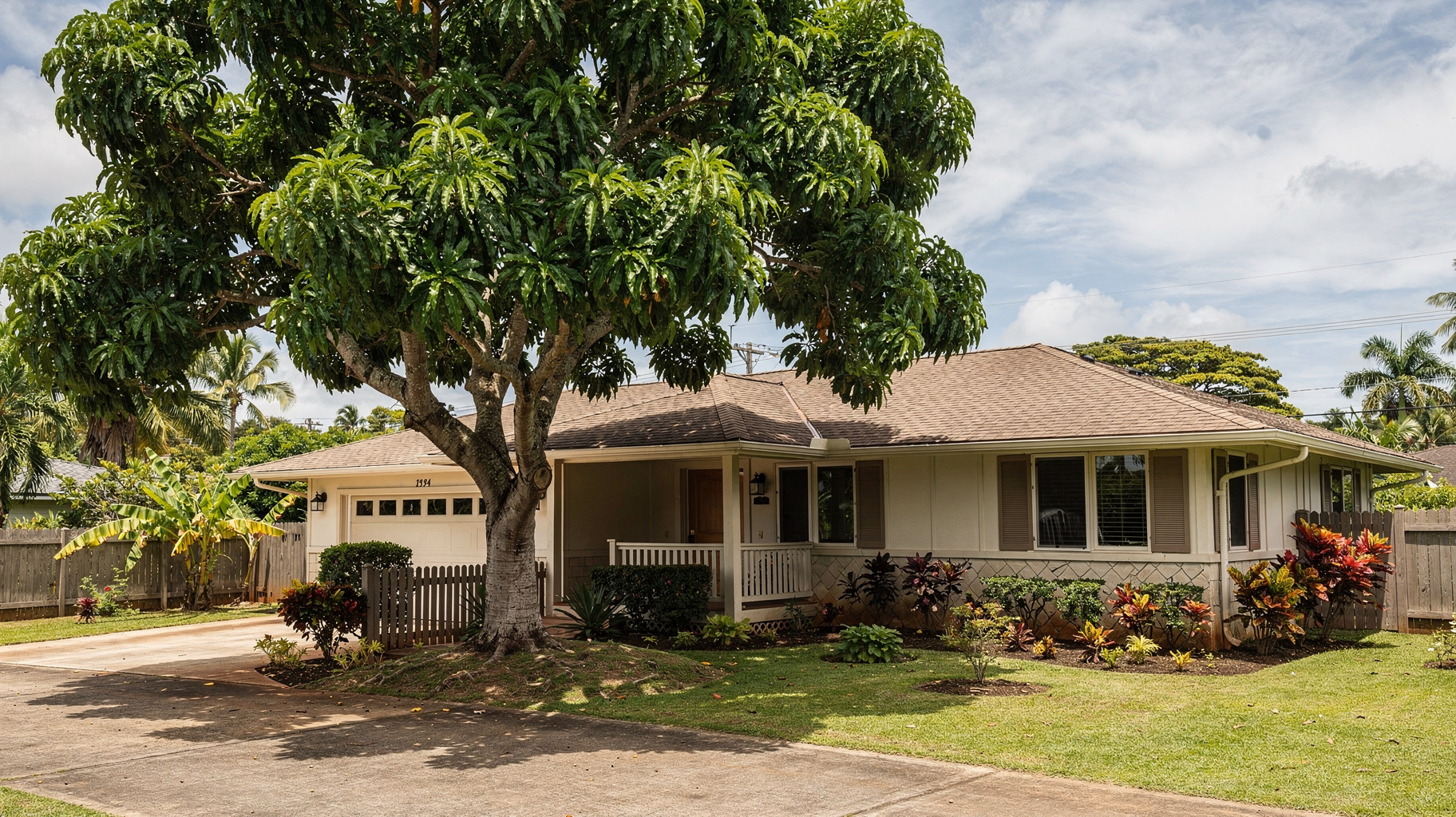
Leaning Monkeypod Near Kaimuki Home
A homeowner contacted us about a large monkeypod tree leaning toward their carport after several days of heavy rain. The independent provider we connected them with found the tree's root plate lifting on one side, with visible soil gaps and cracking sounds during inspection. The tree was removed in sections over two days using rigging to protect the home and driveway. The stump was ground below grade, and the wood was processed off-site, leaving the property clear and safe.
How it works
- 1
Submit Your Inquiry
Contact us with details about your tree concerns—location on your property, observable issues, and any immediate safety factors. We gather information during business hours: Mon–Fri 8am–6pm, Sat 9am–2pm.
- 2
Potential Provider Connection
When an appropriate independent provider relationship is available, we may refer your inquiry. The provider determines their own availability, services, and assessment process.
- 3
On-Site Evaluation
An independent provider, if connected, will typically visit your property to assess the tree's condition, location constraints, and removal requirements before discussing options and pricing.
- 4
Work Completion and Cleanup
If you choose to proceed, the provider coordinates removal timing, equipment access, and debris handling according to the agreed scope and their standard practices.
Pricing
Tree removal costs vary widely based on tree size, location accessibility, proximity to structures, and disposal requirements. Simple removals in open areas differ significantly from complex jobs requiring sectional dismantling or crane access. Independent providers determine their own pricing after on-site assessment.